Operculicarya Hyphaenoides

$350.00

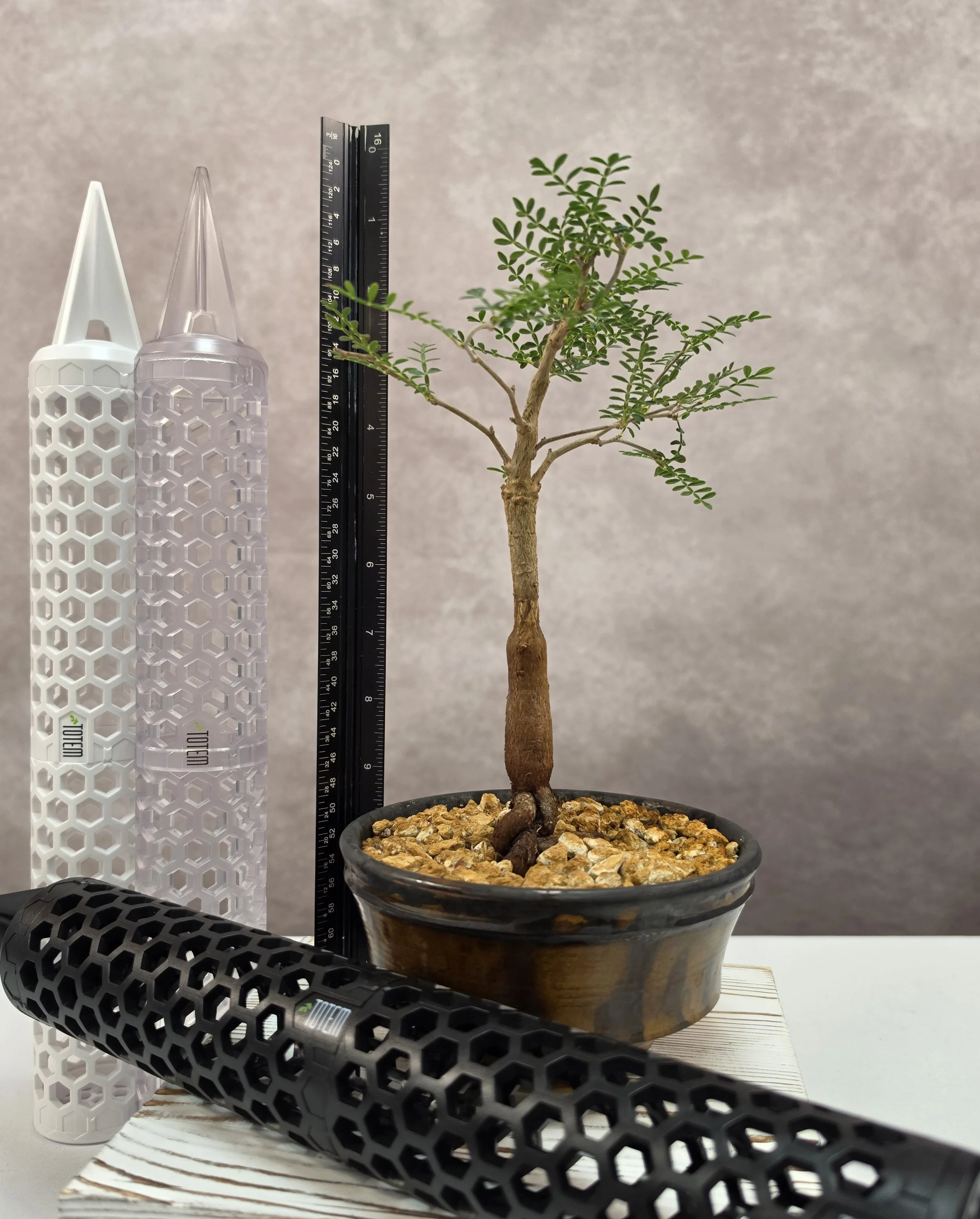
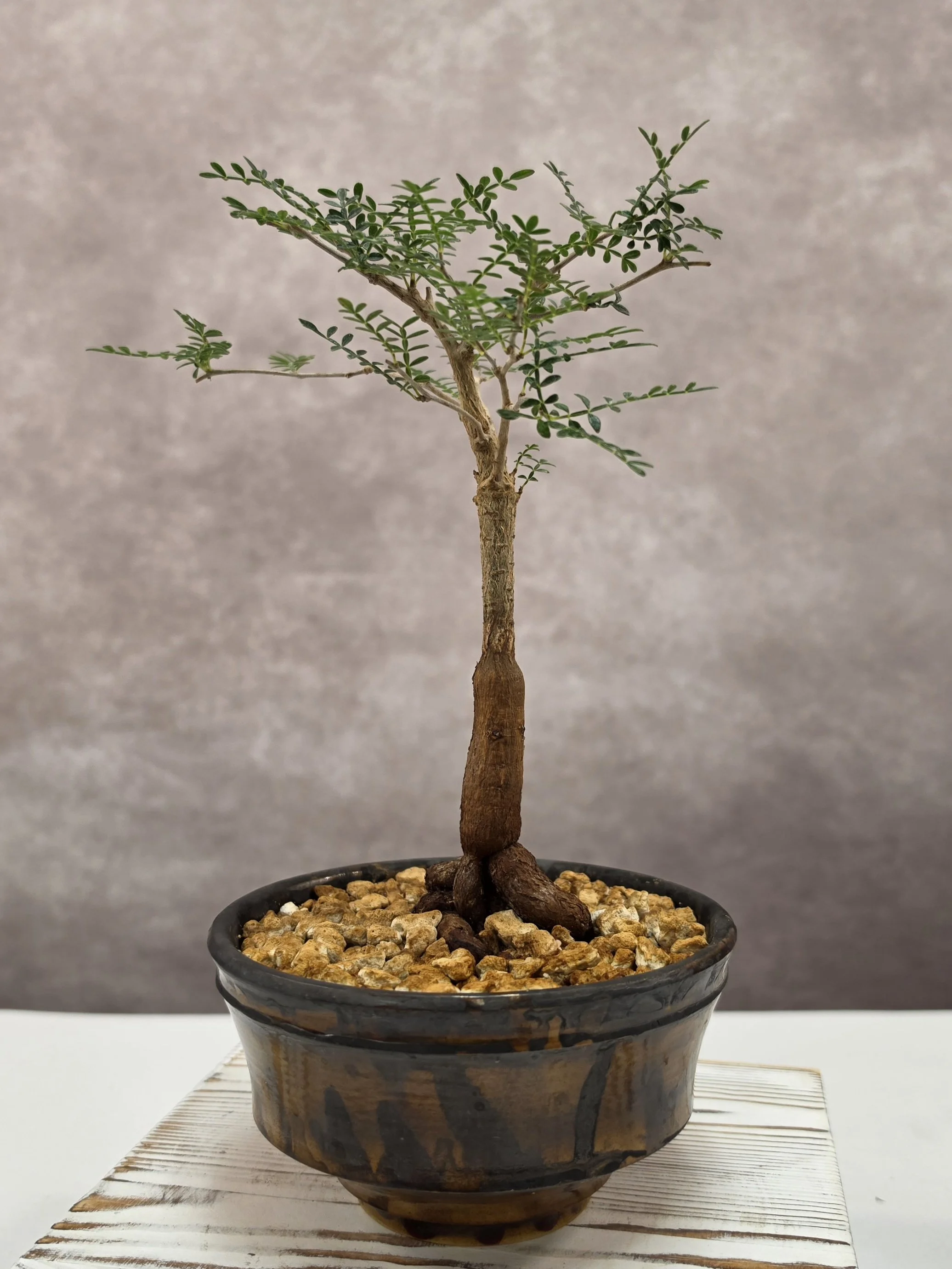
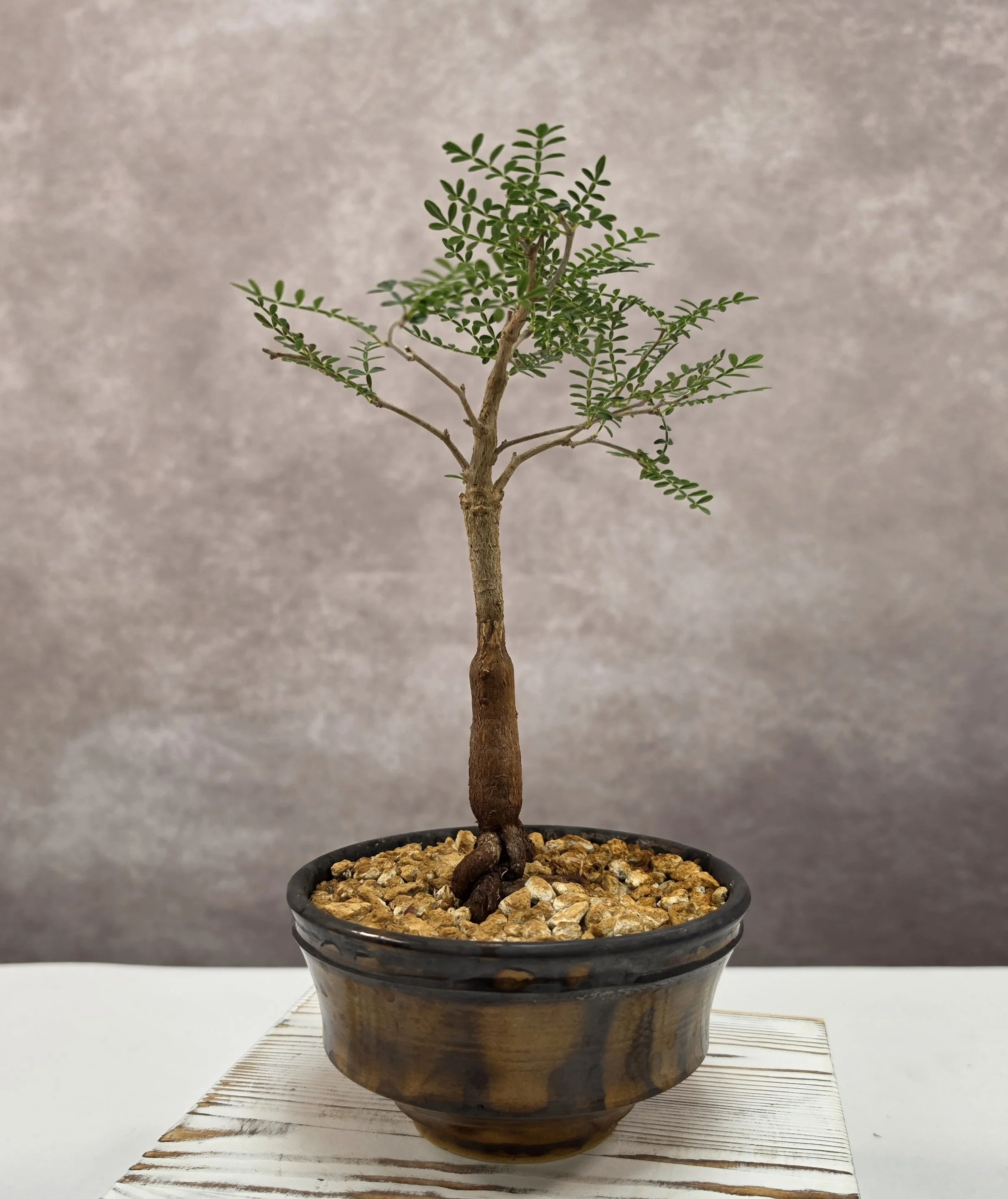
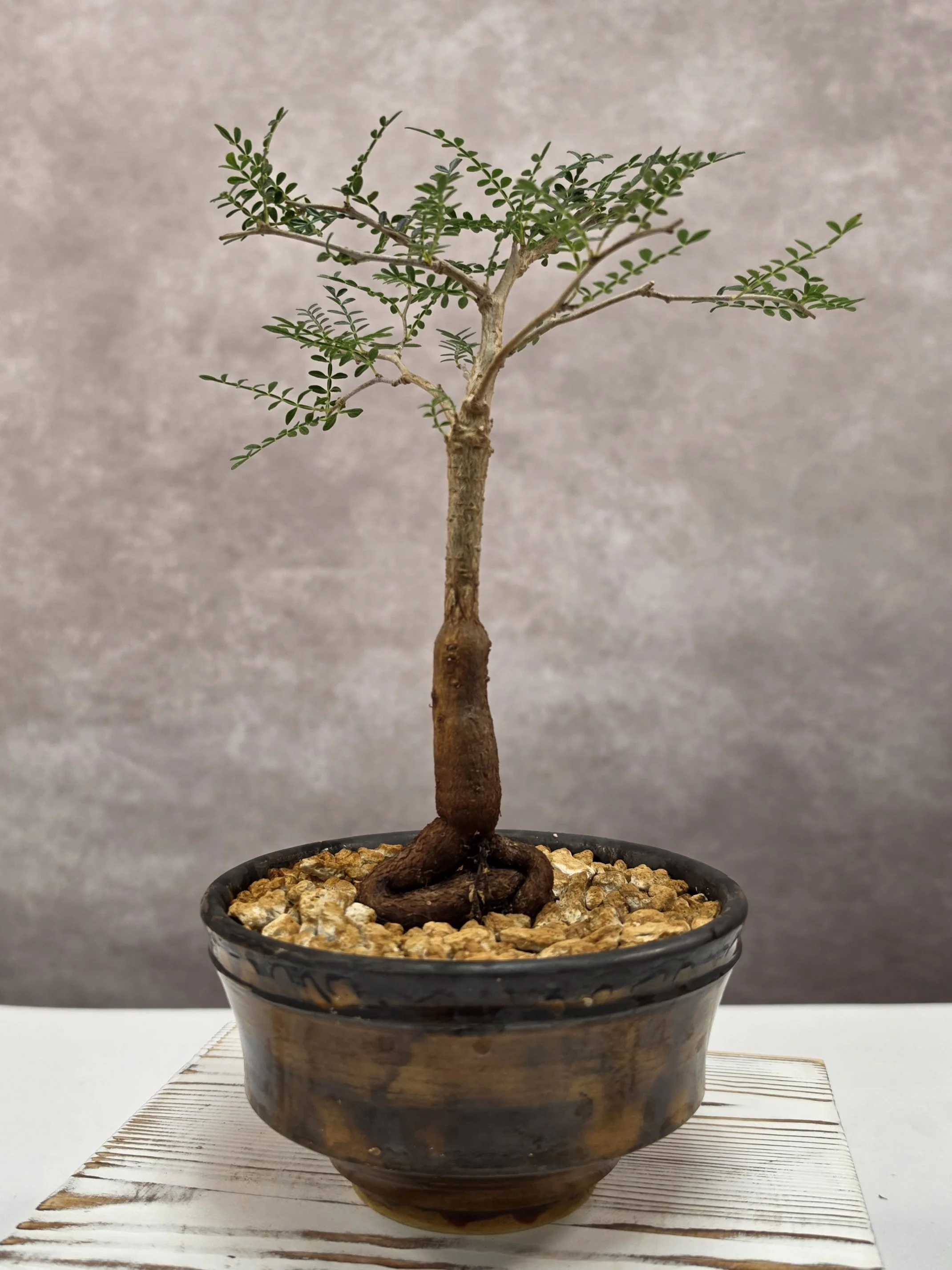
Operculicarya Hyphaenoides - A rare, slow-growing caudiciform shrub or small tree endemic to the limestone subarid thickets of southwest Madagascar (Toliara province), highly prized by collectors for its natural bonsai appearance and Sculptural, gnarled, bumpy-warty bark. Typically growing 1.5 to 3 meters tall, this deciduous species is characterized by a "zig-zag" growth pattern on its woody branches and dense, dark olive-green foliage composed of numerous, tiny, heavily veined leaflets. It produces very small, dark red, solitary flowers in late winter or early spring. Thriving in full sun with a well-draining, mineral-based soil, O. hyphaenoides is relatively easy to care for but requires protection from frost and minimal water during its winter dormancy. It is sometimes considered more desirable than its relative O. decaryi due to its more compact, intricate form.

Operculicarya Hyphaenoides - A rare, slow-growing caudiciform shrub or small tree endemic to the limestone subarid thickets of southwest Madagascar (Toliara province), highly prized by collectors for its natural bonsai appearance and Sculptural, gnarled, bumpy-warty bark. Typically growing 1.5 to 3 meters tall, this deciduous species is characterized by a "zig-zag" growth pattern on its woody branches and dense, dark olive-green foliage composed of numerous, tiny, heavily veined leaflets. It produces very small, dark red, solitary flowers in late winter or early spring. Thriving in full sun with a well-draining, mineral-based soil, O. hyphaenoides is relatively easy to care for but requires protection from frost and minimal water during its winter dormancy. It is sometimes considered more desirable than its relative O. decaryi due to its more compact, intricate form.

🌞 Light

  • Requires full sun or very bright light to maintain compact growth and develop a thick, healthy caudex.

  • Outdoors: open, sunny positions are ideal.

  • Indoors: place near a south-facing window or under strong grow lights.

💧 Watering

  • Deciduous and drought-adapted.

  • Active growth (spring–summer): water thoroughly when soil is completely dry.

  • Dormancy (fall–winter): keep almost dry; water sparingly only to prevent shriveling.

  • Avoid overwatering — root rot is the main risk.

🌵 Soil

  • Needs very well-draining, mineral-rich soil.

  • Recommended mix: 60–70% pumice, coarse sand, or lava rock + 30–40% gritty cactus or succulent soil.

  • Avoid peat-based or compacted soils.

🌡️ Temperature

  • Prefers warm, arid conditions (25–35°C / 77–95°F).

  • Minimum tolerance: ~10°C (50°F). Protect from frost and prolonged cold.

🍃 Fertilization

  • Feed lightly with a low-nitrogen succulent fertilizer once monthly during active growth.

  • Stop fertilizing during dormancy.

✂️ Maintenance

  • Remove dried leaves as needed.

  • Light pruning can shape branches or encourage new growth.

  • Minimal handling preserves the natural caudex texture.

🌱 Propagation

  • Primarily from seed; slow and requires patience.

  • Occasional cuttings can root, but success is limited.

🪴 Container Tips

  • Use porous pots to improve airflow and drainage.

  • Repot infrequently — every 3–4 years is sufficient.

  • Slight root-binding encourages thicker caudex development.

⚠️ Common Problems

  • Soft or rotting caudex → overwatering or poor drainage.

  • No growth or leaf emergence → dormancy or insufficient warmth/light.

  • Leaf drop mid-growth → underwatering; adjust watering carefully.