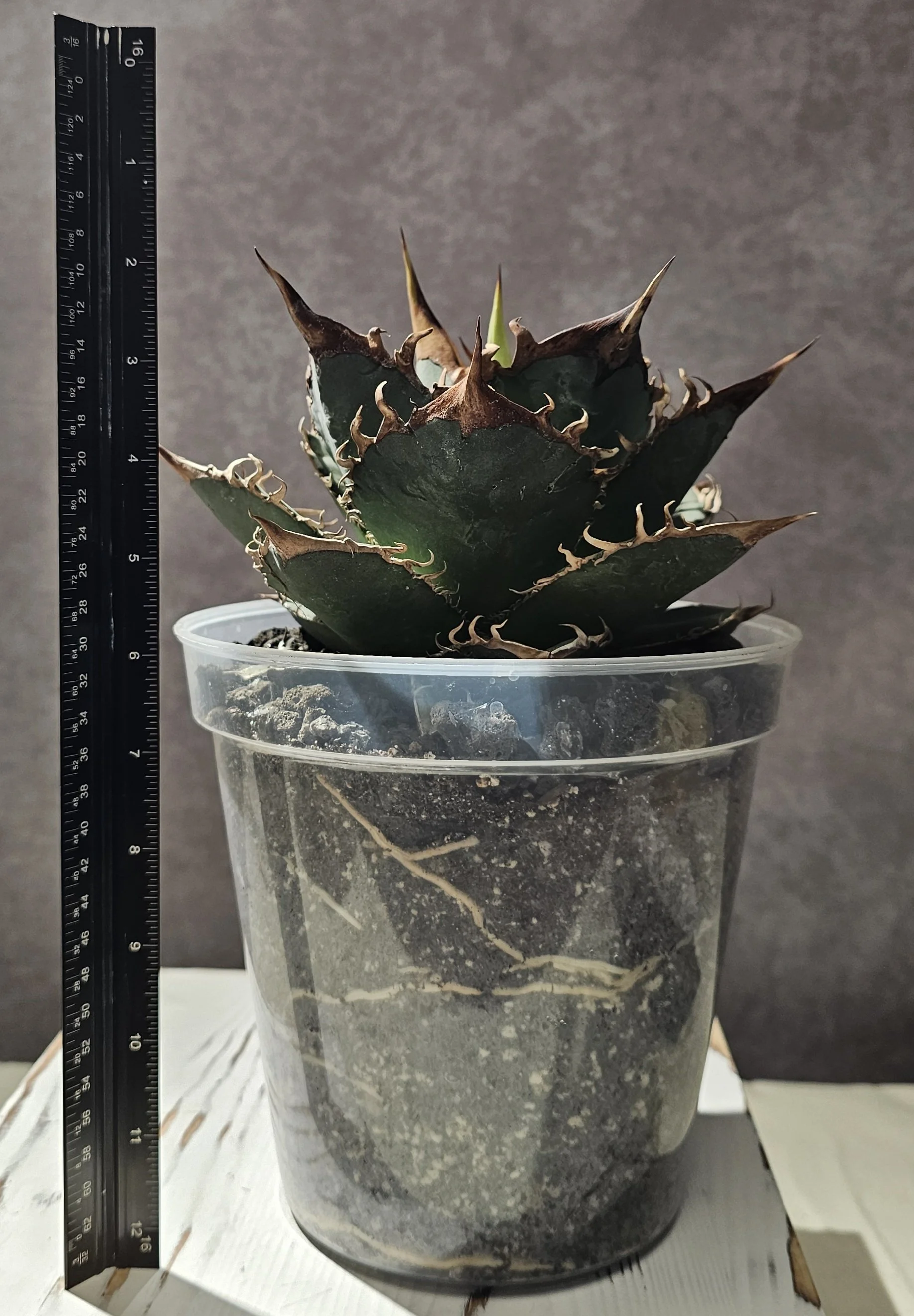
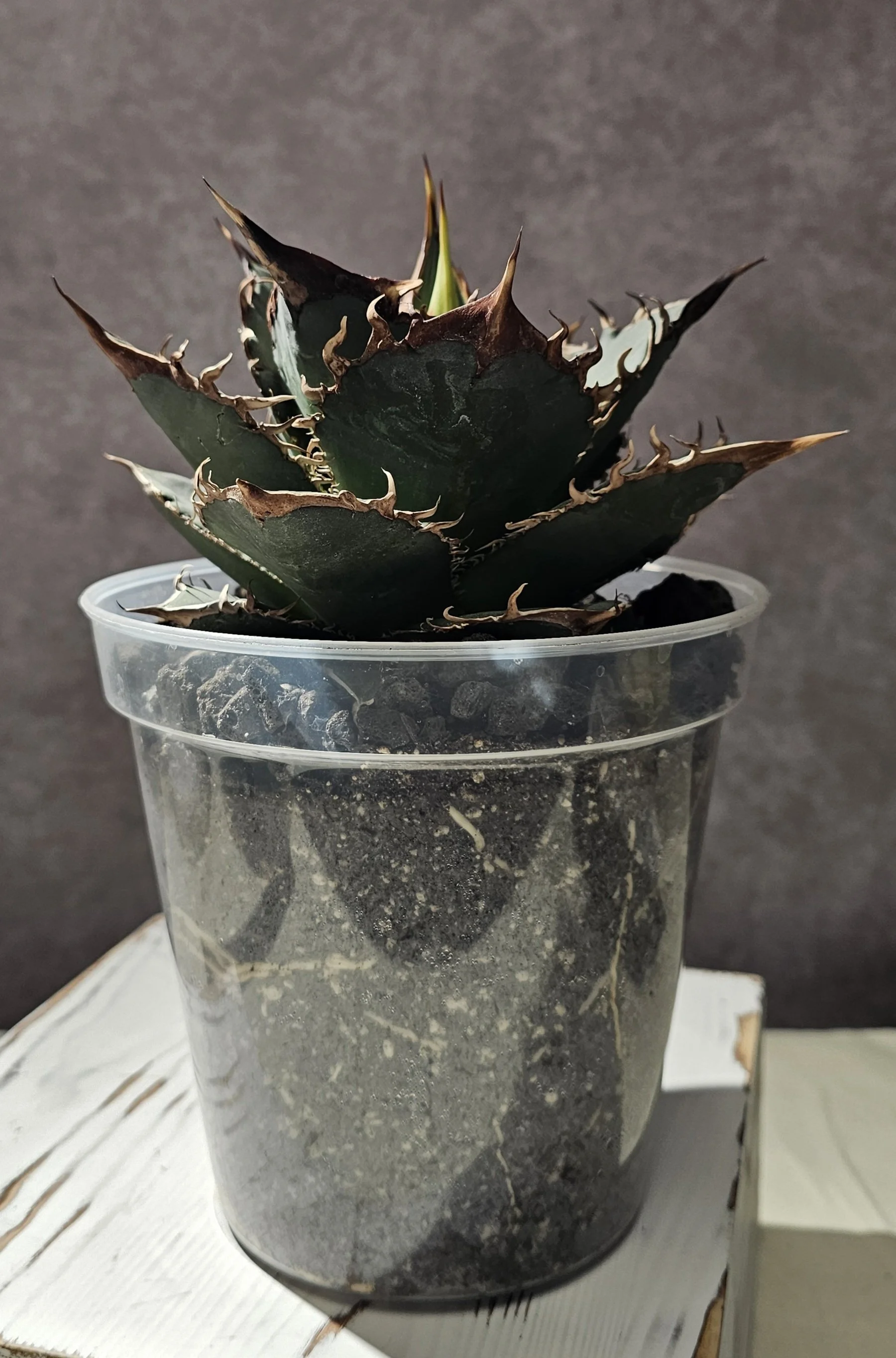
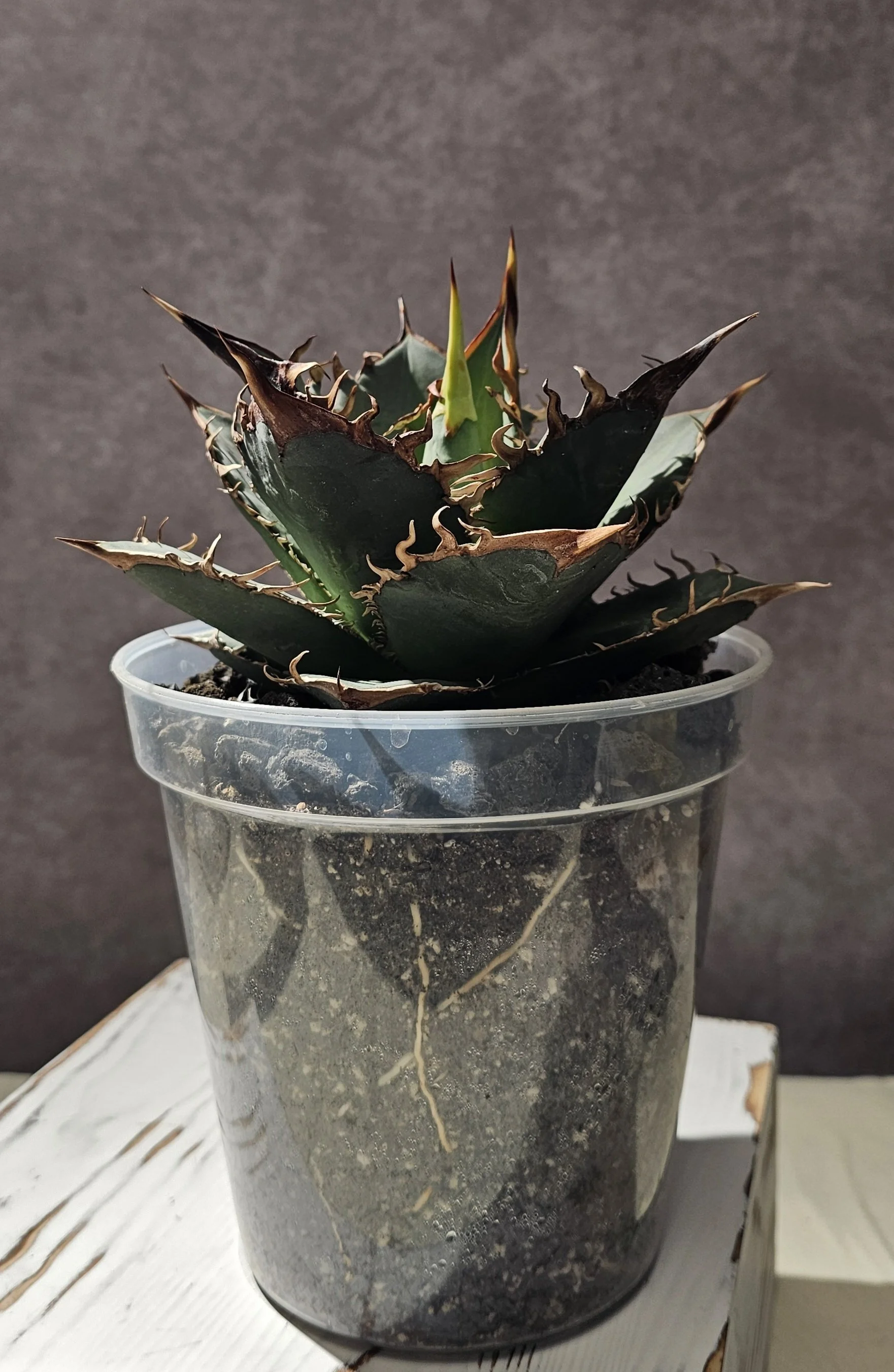
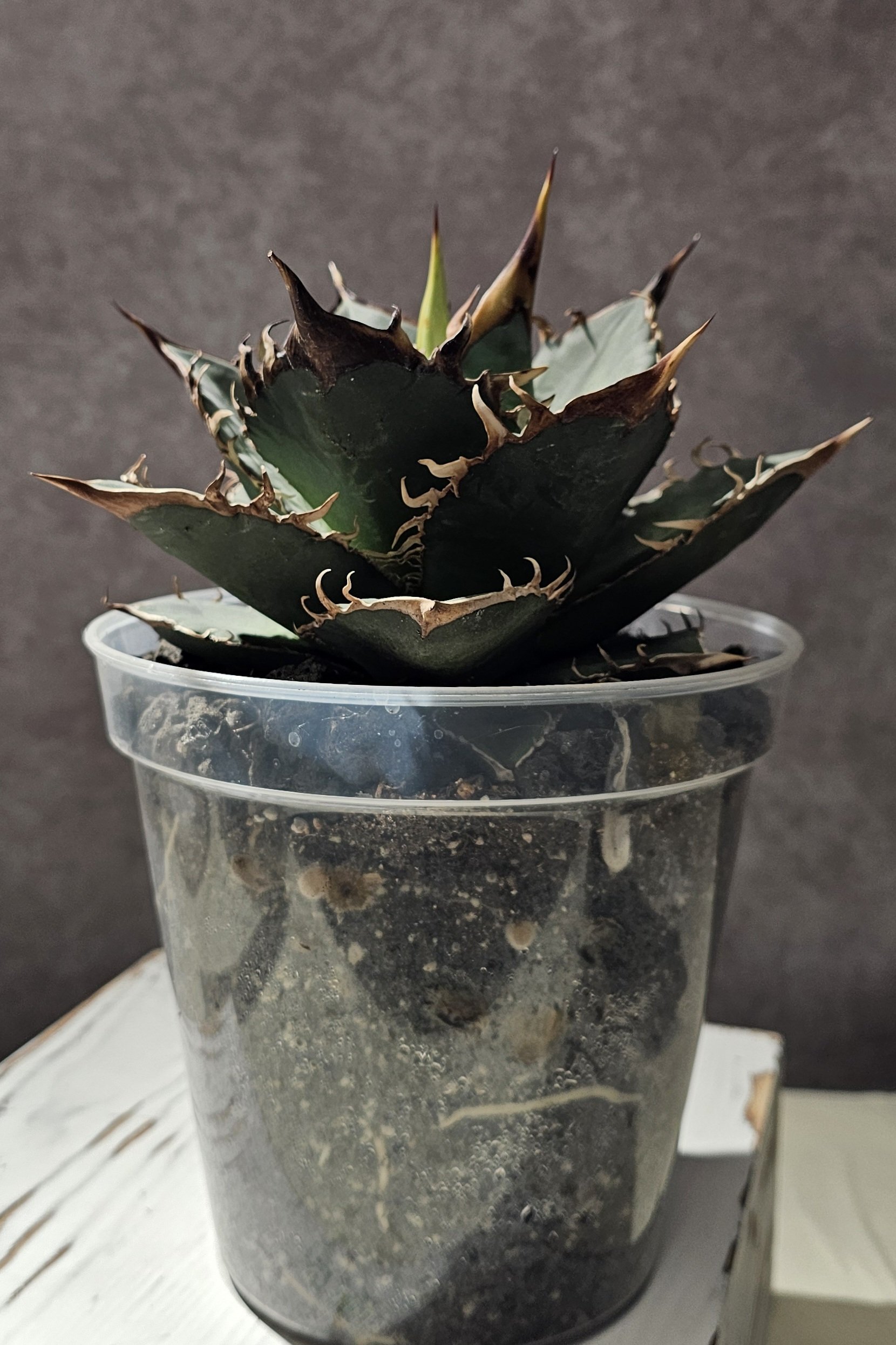
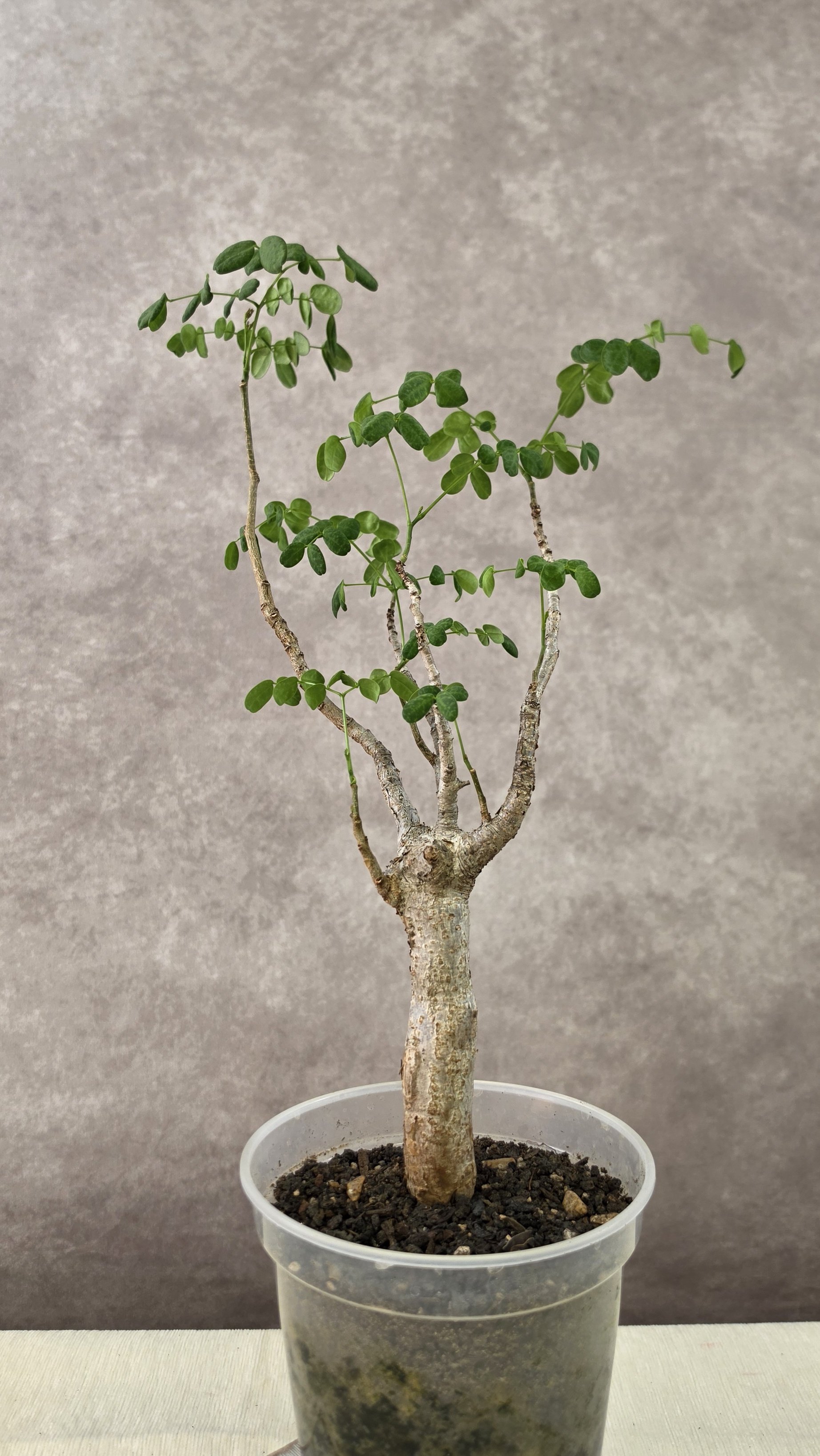
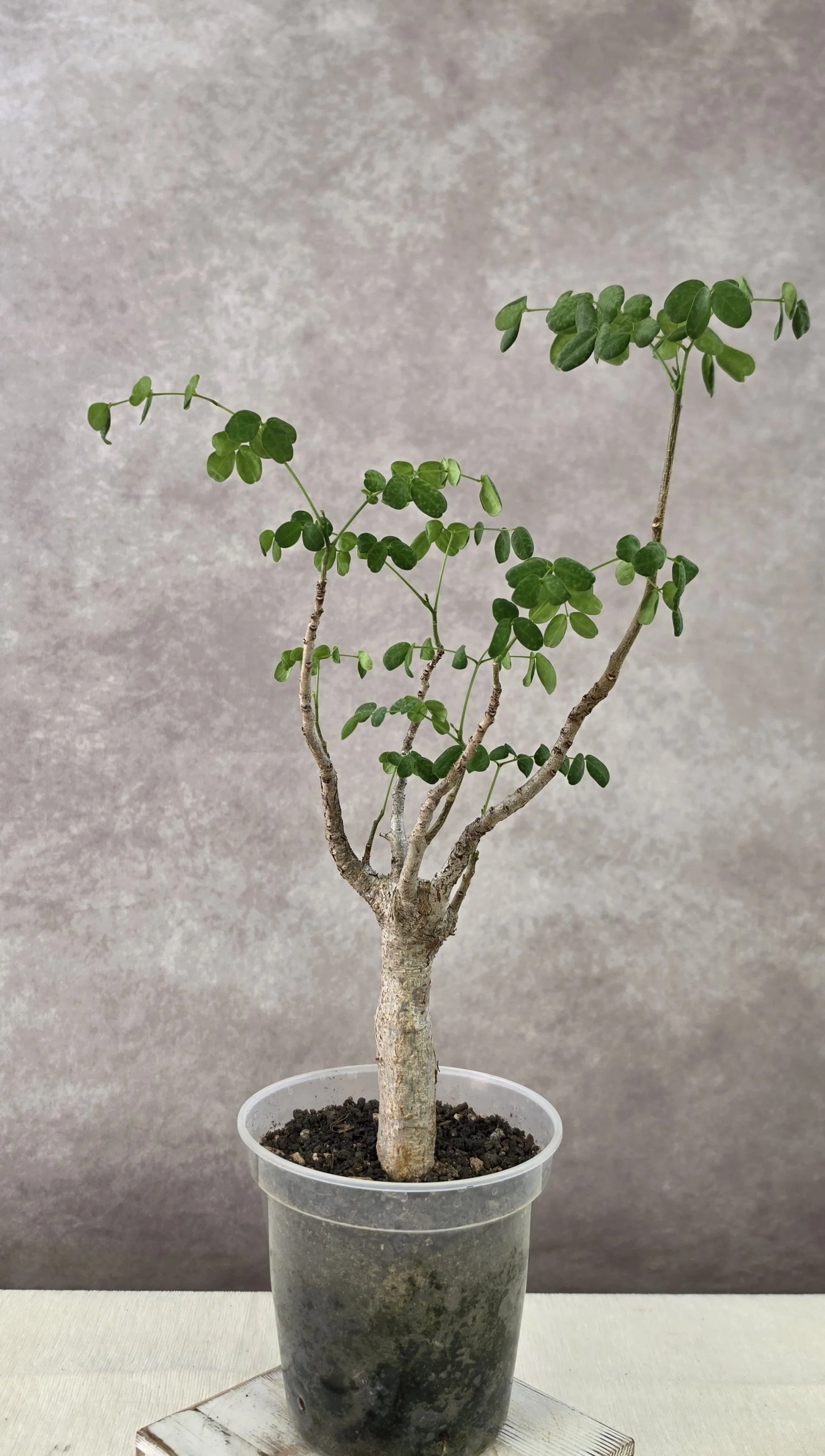
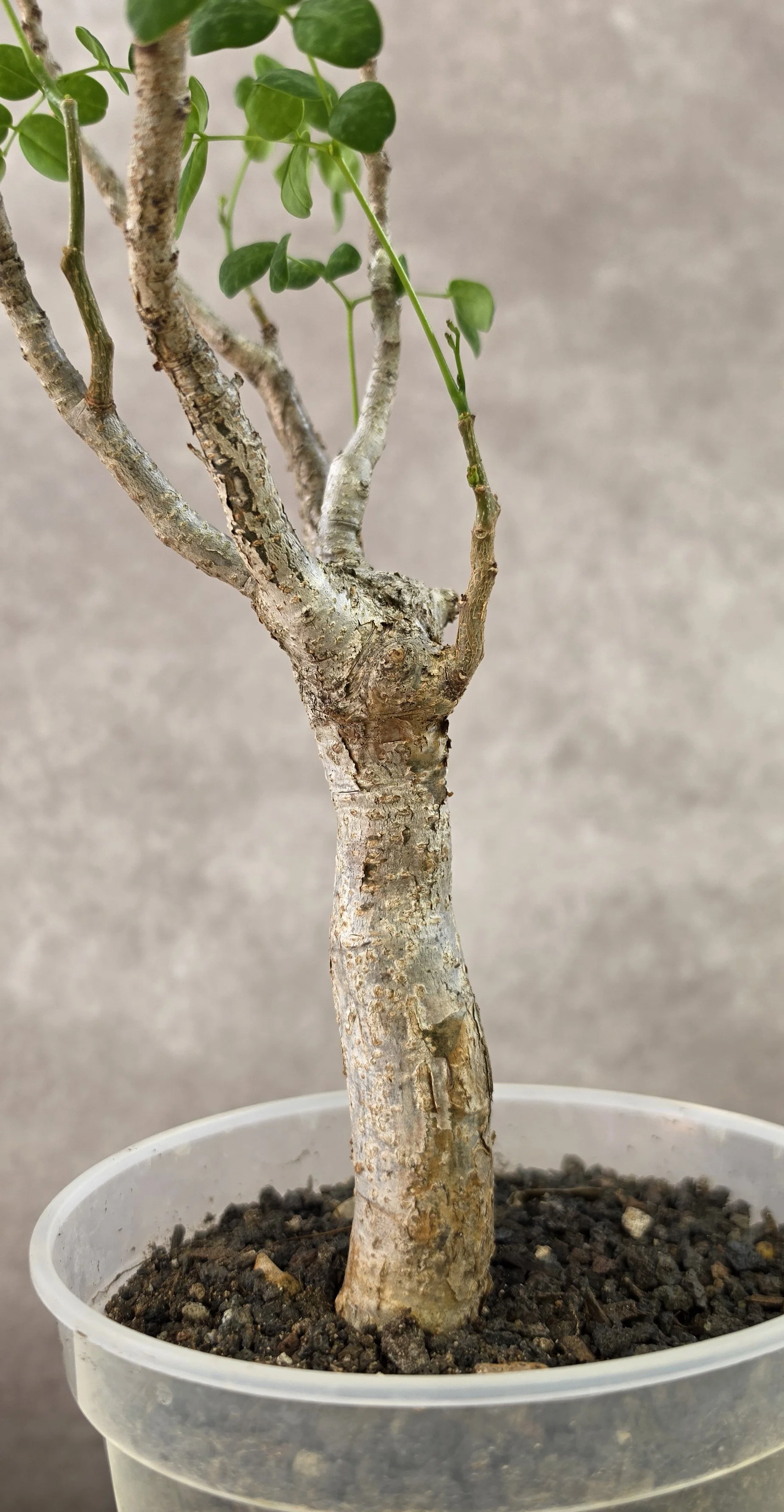
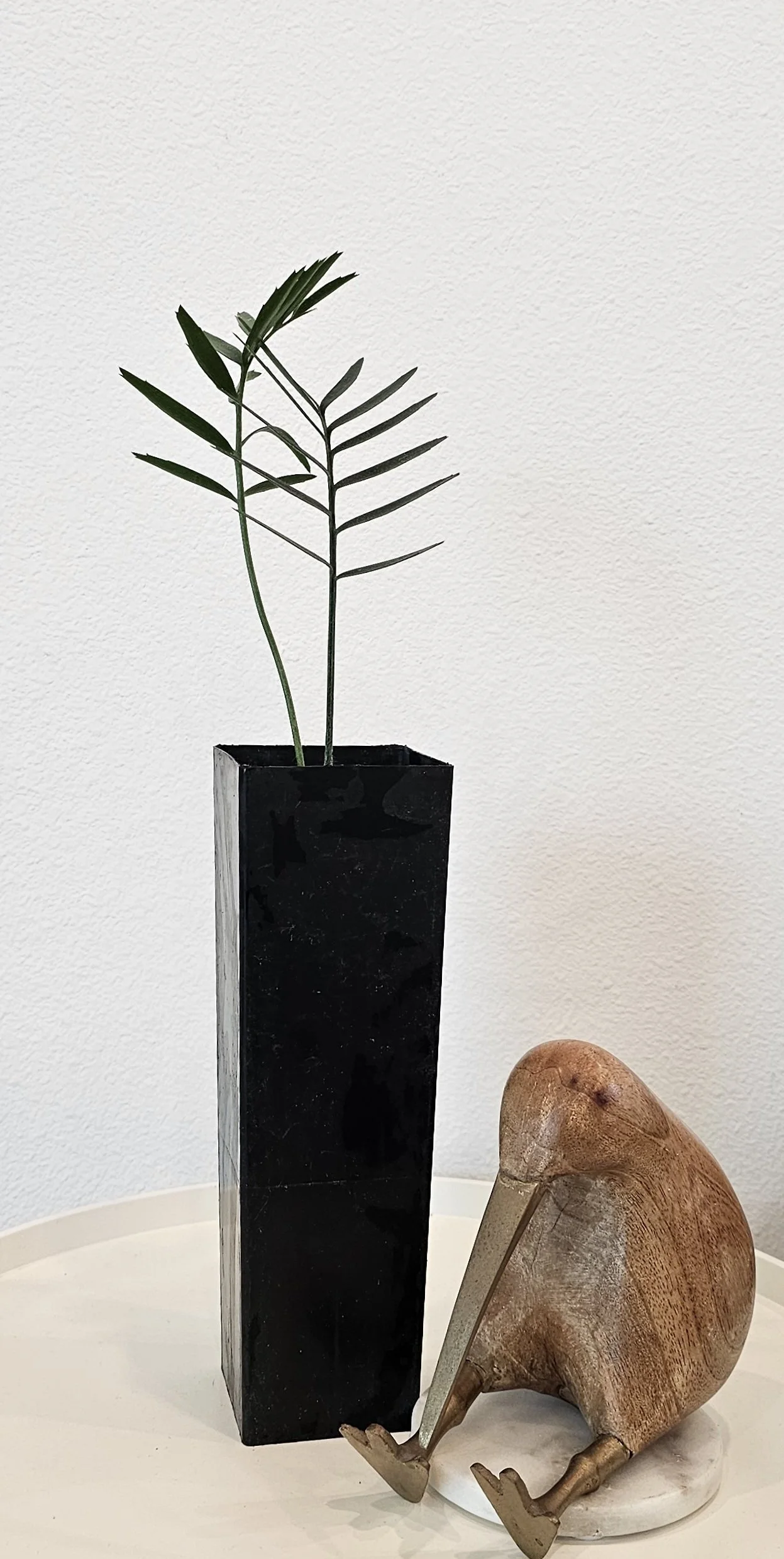
 Image 1 of 6
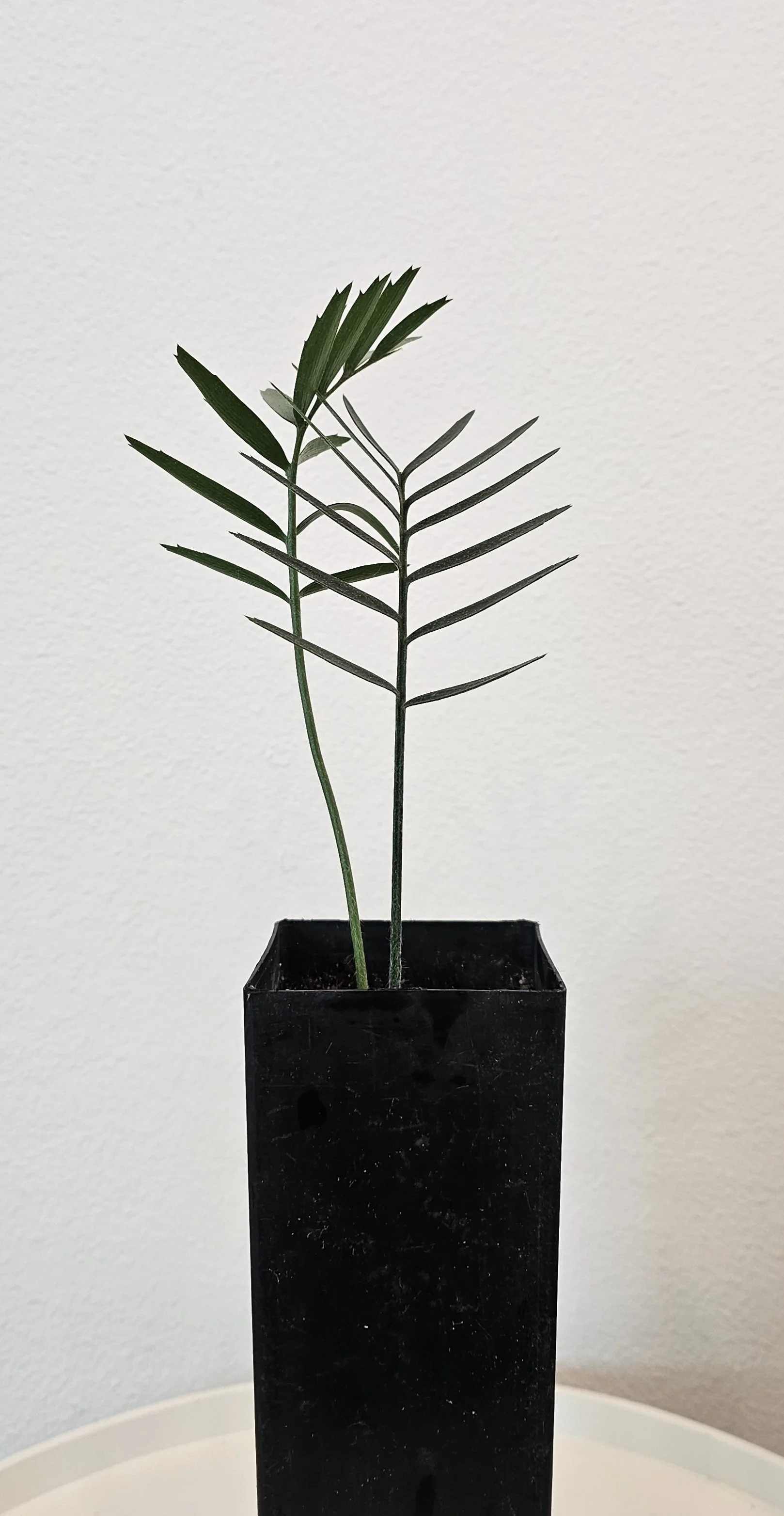 Image 2 of 6
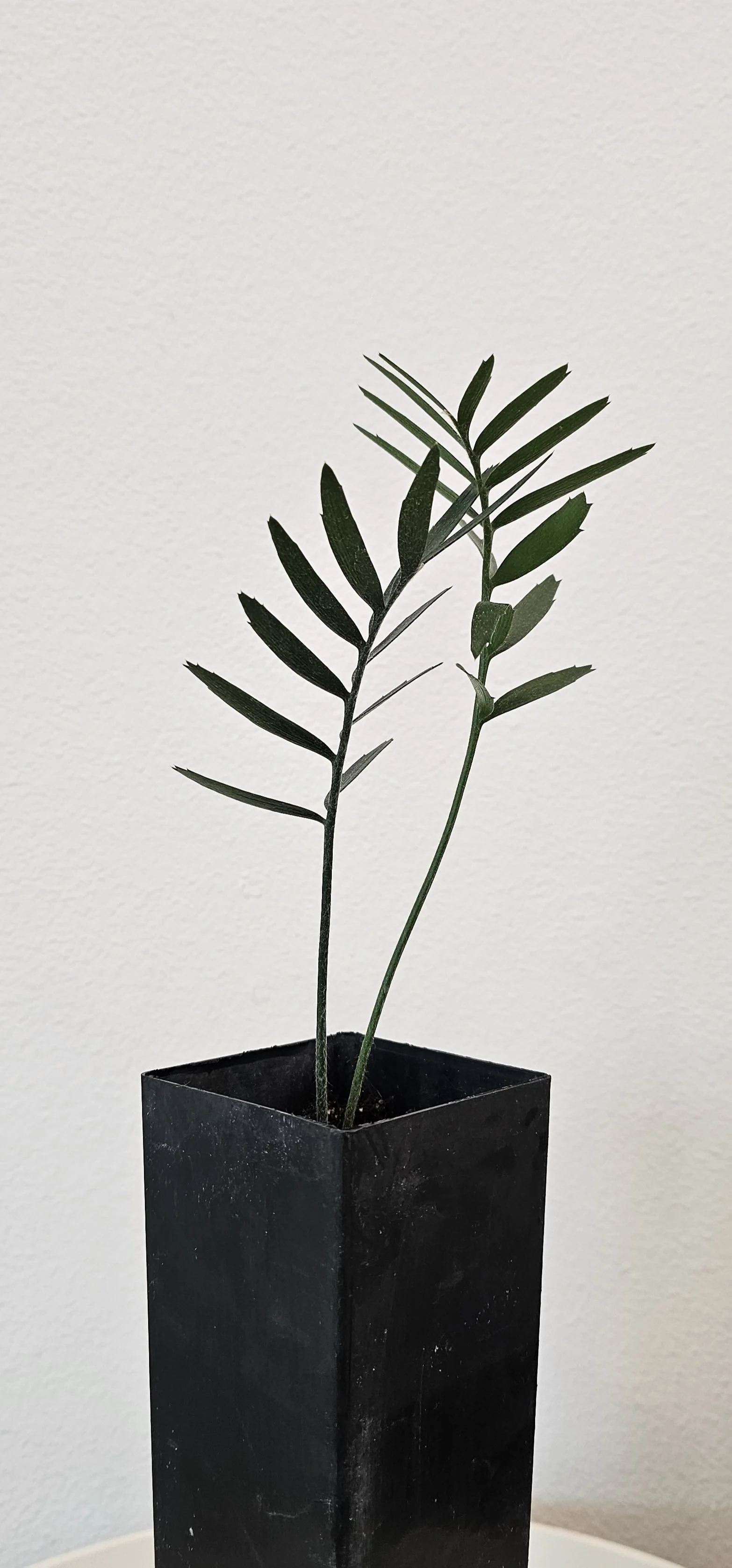 Image 3 of 6
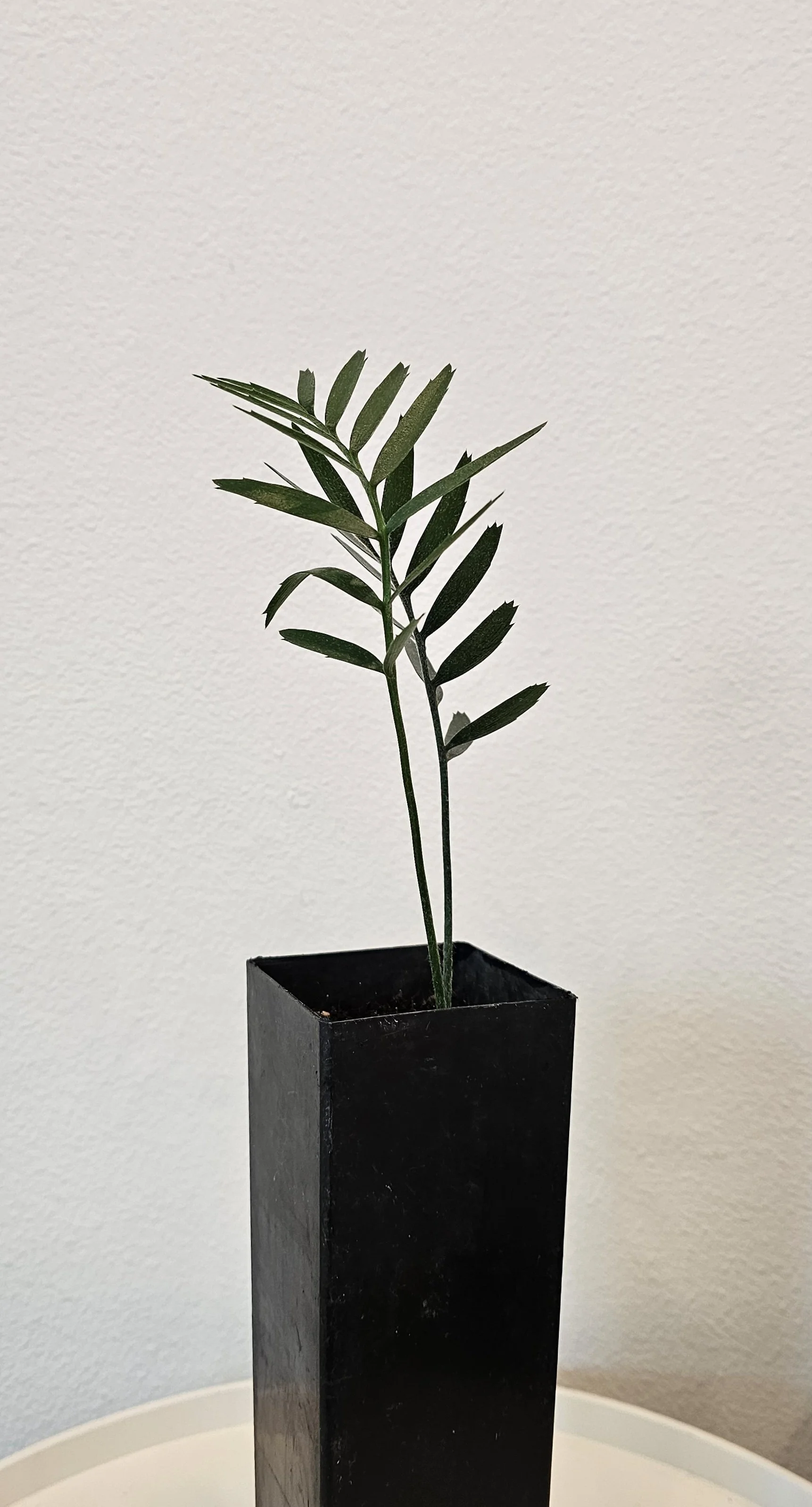 Image 4 of 6
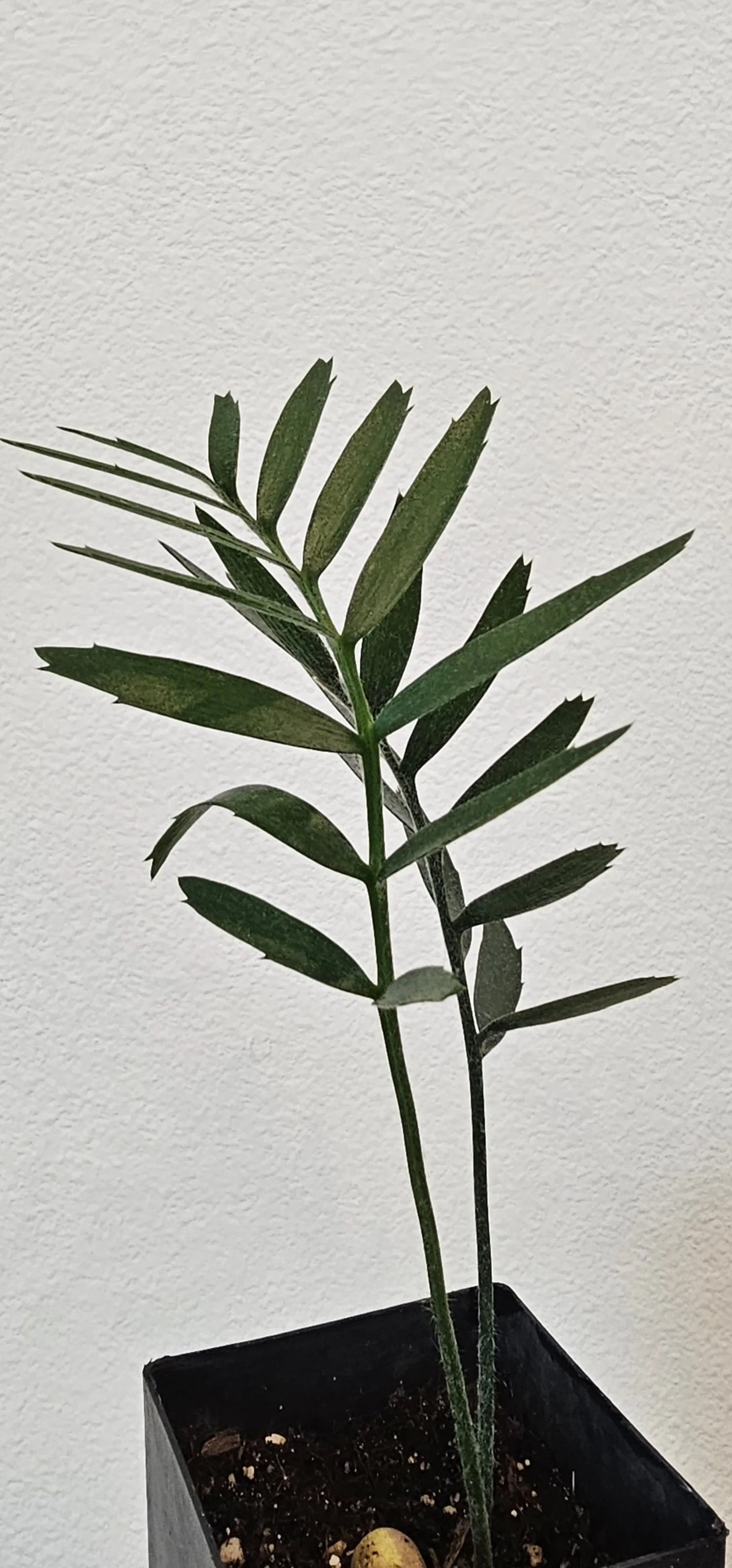 Image 5 of 6
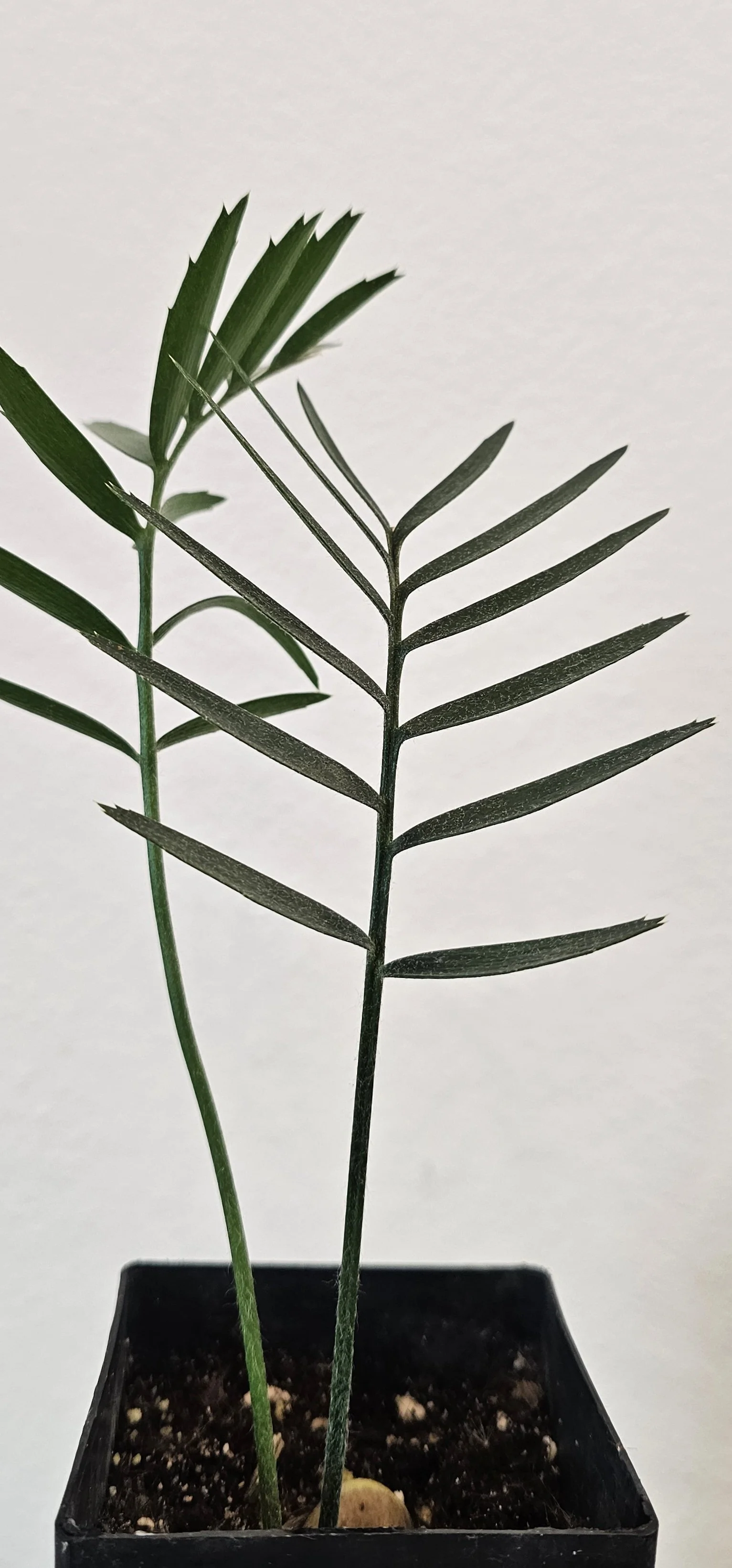 Image 6 of 6
🌞 Light
Thrives in full sun or very bright light — essential for compact growth and strong caudex development.
Indoors: place near a south-facing window or use high-intensity grow lights.
Outdoors: provide full exposure with good airflow; protect from heavy rain.
💧 Watering
Active growth (spring–summer): Water deeply but only when the soil is completely dry.
Dormancy (fall–winter): Plant drops its leaves; stop watering almost entirely — just a small amount every 4–6 weeks to prevent shriveling.
Always avoid overwatering — Pachypodium eburneum is very prone to root and caudex rot if kept wet.
🌵 Soil
Requires very well-draining, mineral-based soil.
Recommended mix:
60–70% pumice, lava rock, or coarse sand
30–40% gritty cactus mix or loam
Avoid peat, coco coir, or any moisture-retentive medium.
🌡️ Temperature
Ideal range: 75–95°F (24–35°C).
Not frost-tolerant — protect from temperatures below 50°F (10°C).
Prefers warm, dry air and good ventilation.
🍃 Fertilization
Feed lightly once a month during active growth with a low-nitrogen, diluted cactus fertilizer.
Do not fertilize while dormant.
🪴 Container & Repotting
Use a shallow, porous pot (clay or terracotta preferred) with large drainage holes.
Repot every 2–3 years in spring, just before new growth begins.
Slightly root-bound conditions help maintain a compact caudex.
✂️ Maintenance
Remove dead leaves and spent flowers as needed.
Avoid pruning branches unnecessarily — growth is slow and can take years to resprout.
🌱 Propagation
Usually propagated from seeds, which require warmth (80–90°F / 27–32°C) and light moisture to germinate.
Cuttings are rarely successful due to slow rooting and rot susceptibility.